
LIFESTYLE
Caring for a Senior Pet
Cats and dogs may need special attention as they age, so it helps to understand what to expect as your pet gets older.
4 min. read
Share the article:
Key takeaways
Cats and dogs age differently than humans. By the time your pet is a year or two old, she’s already a teenager in human years. By the time she’s five, she’s considered middle-aged, and when she’s just a few years older than that, she’s well into her golden years.
Pets go through changes as they age, and it helps to know what to look for. There are steps you can take to help your pet feel more comfortable as they age. And if something feels off, don’t wait—check in with your veterinarian.
Common Health Changes in Senior Pets
Dental disease
Older pets may develop dental issues which can cause discomfort and bad breath. If your pet has plaque on the teeth, redness of the gums or bad breath, it could be a sign to check with your veterinarian.6
Vision problems
Older pets can develop cataracts, which could be a sign of an underlying disease process, and should be discussed with your veterinarian. Aging eyes may develop a bluish tint from a condition called lenticular sclerosis.3 It’s typically not serious, but it’s good to confirm with your veterinarian.
Weight changes
Older pets may gain or lose weight. A sudden weight loss or weight gain is something to flag with your veterinarian, as it could point to an underlying condition.6
Hearing loss
If your pet doesn’t respond to your voice the way they used to, they might be losing their hearing. It can happen as pets age but should still be checked out to rule out treatable causes.1
Slowing down
Your pet may move less or sleep more than usual. You might also notice changes in grooming habits or muscle loss, especially in older cats.2 Make sure to discuss any change in activity level or normal behaviour with your veterinarian.
Incontinence
Accidents in the house or signs of straining to urinate could mean bladder issues or a urinary tract infection (UTI). These may occur in senior pets and usually manageable with help from your veterinarian.7
Osteoarthritis
Many senior dogs and cats experience osteoarthritis, which can cause significant pain and limit their ability to be active. 7,8
Senility
Pets can show signs of confusion as they age.4 For example, cats might forget their litter box location, cry at night, or act differently without a clear reason.5
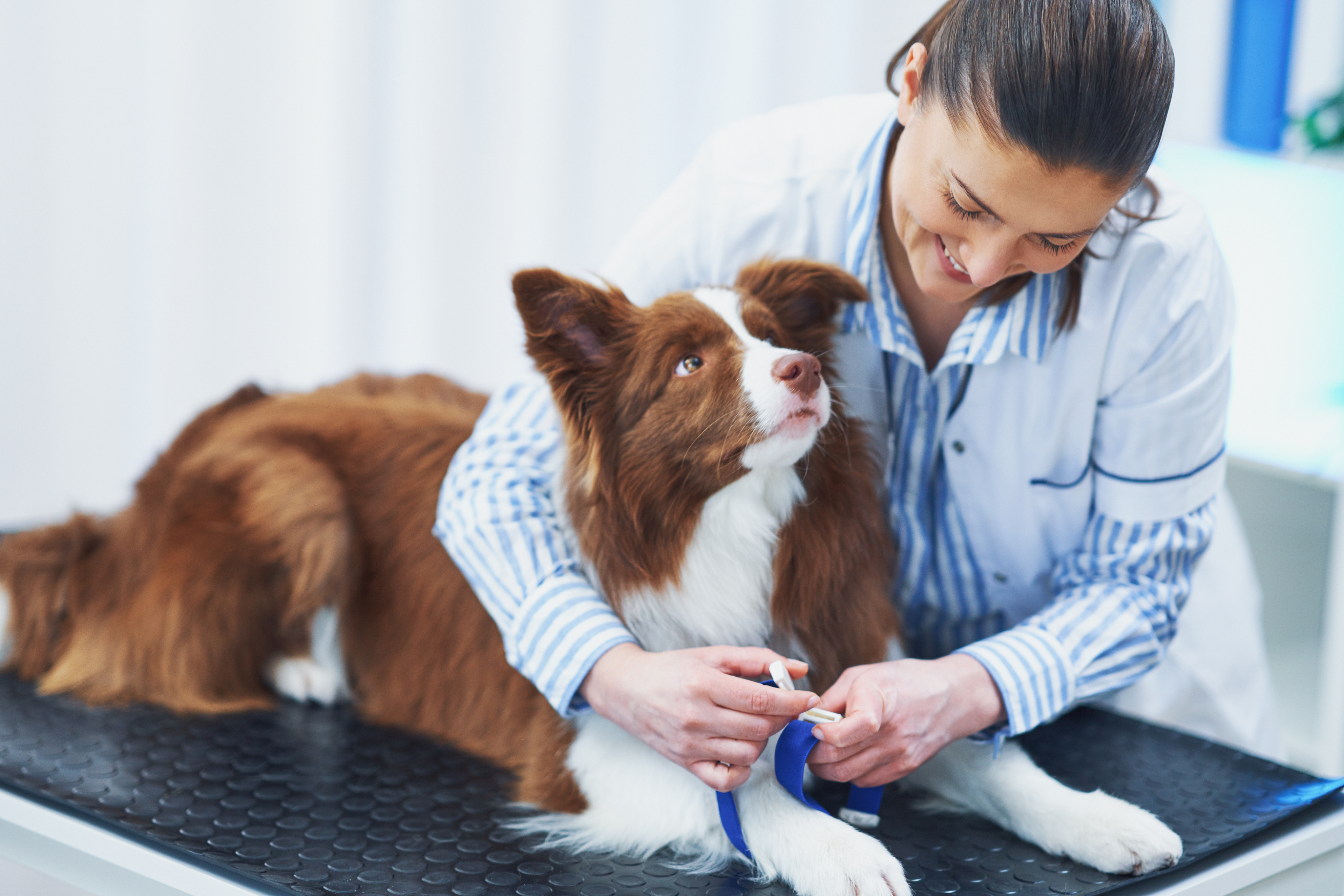
Collaborate with your veterinarianto actively support your senior pet’s healthcare needs.
Keep up with your pet’s annual veterinarian check-ups, and consider visiting twice a year if you’re concerned about any specific symptoms or conditions. Make sure to keep your pet’s vaccinations up to date. Some conditions in senior dogs, like kidney disease, thyroid disease, osteoarthritis and diabetes, require treatment to manage symptoms, slow disease progression, as well as to provide relief. Be sure to keep up with whatever treatment your veterinarian recommends, including medications and other supportive care.
Proactive care can go a long way7,8,9
Feed your pet appropriately
- Make sure your senior pet is eating a diet suited for their age . Keep an eye on how much they’re eating and drinking, and note any changes in their mealtime habits.
Keep your pet well groomed
- Brush your pet regularly to prevent matting – hair mats can contribute to skin infections and may hide other issues like developing skin tumours. It’s also recommended to brush your pet’s teeth regularly to help prevent or delay tooth decay.
Help your pet relax
- Offer extra cozy spots for sleeping, and avoid stressful environments when possible. Some older pets just need a little more peace and quiet to feel their best.
References
Are you looking for a veterinarian?
Your veterinarian plays an essential role in ensuring the good health of your dog or cat. Find a professional near you!
In the spotlight
Protected: 5 tips for hiking safely with your dog
There is no excerpt because this is a protected post.
Protected: Vaccinations for dogs
There is no excerpt because this is a protected post.
Protected: Vaccinations for cats
There is no excerpt because this is a protected post.
Preparing for your first visit with the veterinarian
Congratulations on your new addition and for prioritizing your pet’s health. To help you prepare for your pet’s first visit, here is some information to consider.
Five hot tips for summer pet care
Hot weather can be hard on pets. Stay informed and keep them safe this summer with these five tips.
Pet Travel Guide: Health & Safety Tips
Here are some things to consider before your next trip with your furry friend.
Why a long-term relationship with your veterinarian matters
Building a long-term relationship with your veterinarian is one of the most practical things you can do for your pet’s health.
Making a treatment plan — and sticking to it
Work with your veterinarian to build a plan that fits both your pet’s needs, and your everyday routine.
Pet ear infections
Understanding common symptoms can help you spot ear infections in your dog or cat.
Why won’t my pet stop scratching
Understand the common causes of scratching in dogs and cats.
Wag-worthy updates!
Subscribe to our newsletter for pet information and advice.
*By entering my email address and clicking the “Submit” button, I authorize Merck Animal Health to use my email address for the purpose of sending me communications by email about products, promotions and educational articles. I understand that my email address will be accessible for this purpose to a limited number of Merck Animal Health’s employees, agents and representatives. I also understand that I can unsubscribe at any time. I agree to the Merck Animal Health privacy policy. Contact us for more information.


 Go To United States
 Algeria
 Argentina
 Australia
 Austria
 Bahrain
 Belgium (Dutch)
 Brazil
 Canada (English)
 Chile
Chile Colombia
 Croatia
 Czech Republic
 Denmark
 Ecuador
 Egypt
Egypt Finland
 France
 Germany
 Greece
 Hungary
 India
India Indonesia
 Iraq
Iraq Ireland
 Israel
 Italy
Italy Japan
Japan Jordan
 Kuwait
 Lebanon
 Malaysia
 Mexico
 Morocco
 Netherlands
 New Zealand
 Norway
 Oman
Oman Panama
 Peru
Peru Philippines
 Poland
 Portugal
 Qatar
Qatar Romania
 Russian Federation
 Saudi Arabia
 South Africa
 South Korea
 Spain
Spain Sweden
 Switzerland (French)
 Taiwan
 Thailand
 Tunisia
 Turkey
 Ukraine
 United Arab Emirates
 United Kingdom
 Uruguay
 Yemen
Yemen Global
You are now leaving merck-animal-health.ca, a site maintained by Merck Animal Health Canada
The link is provided for your convenience only.
Merck Animal Health makes no warranties or representations of any kind as to the accuracy, completeness, reliability or usefulness of any information contained in third party sites and shall have no liability for any loss or damage of any kind that may arise from your use of such content or information.
Inclusion of any third party link does not imply an endorsement or recommendation by Merck Animal Health.