
BEHAVIOUR
Why won’t my pet stop scratching?
Understand the common causes of scratching in dogs and cats.
Share the article:
All pets scratch sometimes, but when it becomes frequent or persistent, it’s wise to see your veterinarian. In addition to causing your pet distress, where your pet is scratching can become infected and lead to other problems. Many skin irritation issues are treatable. Left without treatment, though, the problem area can become worse, and the scratching will likely continue. Your veterinarian will work with you to try to determine the cause of the itching. Depending on the cause, your veterinarian will create a treatment plan for your pet to address the issue.
Major causes of scratching in dogs1 and cats2
Here are some common causes of scratching – but remember, no matter what cause you suspect, consult your veterinarian if your pet is scratching excessively.
Fleas
Flea bites can trigger itching in pets. Your veterinarian can recommend appropriate treatment.
Environmental allergies
Like humans, pets can be allergic to grasses, pollen, mold, dust, and detergents. They may also be sensitive to plastic, pesticides, and even airborne particles. There’s no limit to the number of things that can instigate compulsive scratching. In addition, cats and dogs can be allergic to more than one substance, and to varying degrees.
Food allergies
Perhaps what’s causing your pet to scratch is the food she eats. Cats and dogs can become sensitive to a protein or other substance, even if they have been consuming it for years. The way a veterinarian identifies a food allergy is by restricting a pet to a specific diet and then slowly introducing ingredients back into the bowl. Your veterinarian can also prescribe special food for pets with food allergies or sensitivities.
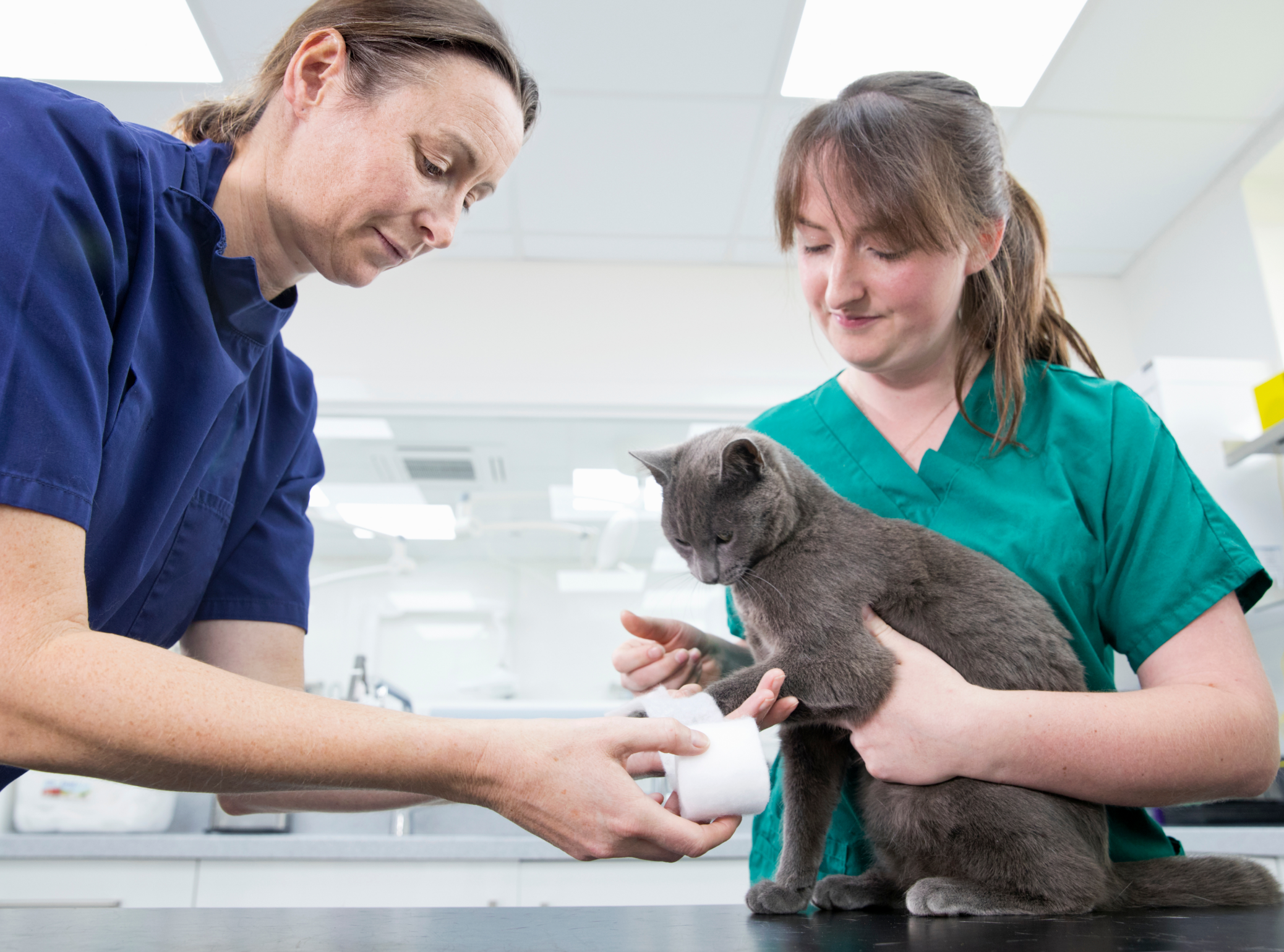
Mange
Highly contagious mange mites will burrow into a dog’s skin, cause hair loss and lead to an itchy bacterial infection. Most pets that contract mange do so through exposure to an infected animal. A variety of treatments are used to treat mange.
Ear mites
Ear mites are tiny parasites that make a home in the wax and oils inside a pet’s ear and lead to both scratching and a bad smell. As ear mites feed, the ear becomes inflamed and itchy.
Ear infections
Certain breeds, such as cocker spaniels, are prone to ear infections because their long, hairy ears block ventilation, so they must be cleaned regularly. Yeast infections are also a common ear issue for pets.
Dry skin
Seasonal changes, as well as low humidity, or environmental irritants, can all cause scratching and dandruff, the telltale sign of dry skin. Over-grooming can also dry skin.
References
- More itchy pets? No problem. American Veterinary Medical Association. https://www.avma.org/javma-news/2020-02-15/more-itchy-pets-no-problem
- Why Your Cat Is Itchy and What You Can Do. PetMD. https://www.petmd.com/cat/symptoms/skin/why-your-cat-itchy-and-what-you-can-do
Are you looking for a veterinarian?
Your veterinarian plays an essential role in ensuring the good health of your dog or cat. Find a professional near you!
In the spotlight
Wag-worthy updates!
Subscribe to our newsletter for pet information and advice.
*By entering my email address and clicking the “Submit” button, I authorize Merck Animal Health to use my email address for the purpose of sending me communications by email about products, promotions and educational articles. I understand that my email address will be accessible for this purpose to a limited number of Merck Animal Health’s employees, agents and representatives. I also understand that I can unsubscribe at any time. I agree to the Merck Animal Health privacy policy. Contact us for more information.



 Go To United States
 Algeria
 Argentina
 Australia
 Austria
 Bahrain
 Belgium (Dutch)
 Brazil
 Canada (English)
 Chile
Chile Colombia
 Croatia
 Czech Republic
 Denmark
 Ecuador
 Egypt
Egypt Finland
 France
 Germany
 Greece
 Hungary
 India
India Indonesia
 Iraq
Iraq Ireland
 Israel
 Italy
Italy Japan
Japan Jordan
 Kuwait
 Lebanon
 Malaysia
 Mexico
 Morocco
 Netherlands
 New Zealand
 Norway
 Oman
Oman Panama
 Peru
Peru Philippines
 Poland
 Portugal
 Qatar
Qatar Romania
 Russian Federation
 Saudi Arabia
 South Africa
 South Korea
 Spain
Spain Sweden
 Switzerland (French)
 Taiwan
 Thailand
 Tunisia
 Turkey
 Ukraine
 United Arab Emirates
 United Kingdom
 Uruguay
 Yemen
Yemen Global
You are now leaving merck-animal-health.ca, a site maintained by Merck Animal Health Canada
The link is provided for your convenience only.
Merck Animal Health makes no warranties or representations of any kind as to the accuracy, completeness, reliability or usefulness of any information contained in third party sites and shall have no liability for any loss or damage of any kind that may arise from your use of such content or information.
Inclusion of any third party link does not imply an endorsement or recommendation by Merck Animal Health.