
LIFESTYLE
Why a long-term relationship with your veterinarian matters more than you think
Building a long-term relationship with your veterinarian is one of the most practical things you can do for your pet’s health. Here is why it matters — and how to make the most of it.
Share the article:
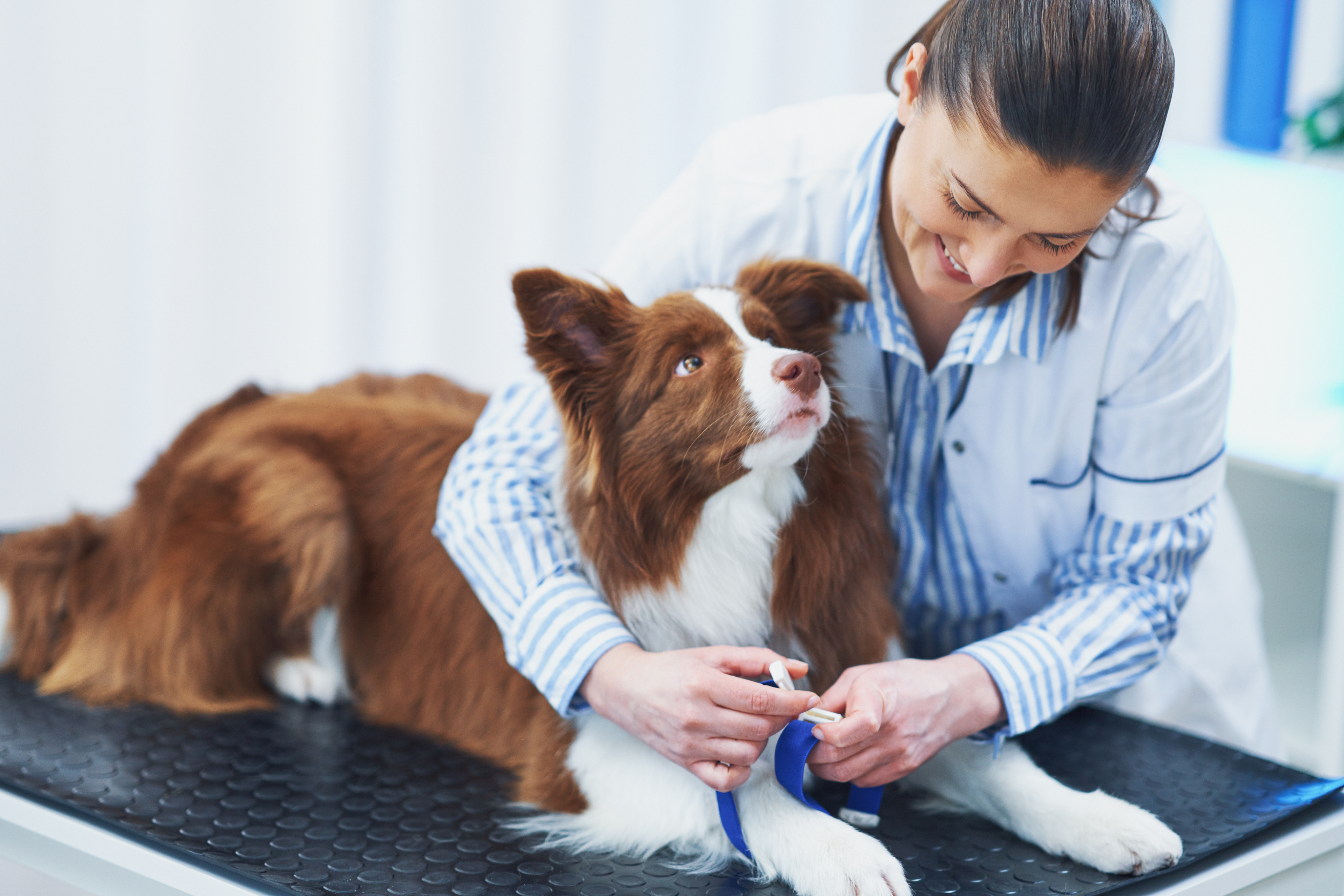
There is something different about a veterinarian who already knows your pet
You notice it almost immediately. The appointment feels less like starting from scratch and more like a continuation. Your veterinarian already knows what your pet’s weight looks like when things are going well, how they typically behave during an exam, their medical history and what has been recommended and/or tried before. That context does not happen after one visit. It builds over time.1
Why in-person visits remain the foundation of good care
An in-person visit allows your veterinarian to notice things that are difficult to communicate in words or capture on a screen — a subtle change in gait, abnormal coat condition, how a pet holds their weight. Combined with what you observe at home, this creates a fuller picture that supports better decisions. It is why 88% of pet owners say in-person visits lead to the best care for their pet. 2
That does not mean digital tools have no place. Phone or video consultations can be useful for quick questions or situations where travel is difficult. But they work best as a complement to an established relationship — not a replacement for it.
Veterinarians are also one of the most trusted sources of health information for pet owners.3 When your vet points you to a resource, you listen — and you are not alone in that. 9 in 10 pet owners say they trust digital sources recommended by their veterinarian. At your next visit, ask which resources your clinic recommends.4
The moments when continuity matters most
Routine visits are valuable. But the real weight of a long-term relationship shows up in the harder moments — an unexpected diagnosis, a sudden change, a decision that needs to be made quickly.
In those moments, your veterinarian is not just applying clinical expertise. They are drawing on everything they already know about your pet: what treatments have been tried, what your pet tolerates well, what has worked before. That history makes difficult situations feel steadier. You are not starting from scratch. You are navigating something hard with someone who already knows you and your pet.
Care that adapts as your pet grows
Pets change. A puppy or kitten has very different needs from a seven-year-old dog or a senior cat. Regular visits help keep preventive care on track, catch potential issues earlier, and adjust recommendations as your pet moves through different life stages.
Staying consistent is not always easy. Schedules get busy, appointments get pushed. But having a veterinarian who already knows your pet — and your situation — makes it easier to stay engaged even when life gets in the way.
Don’t have a regular clinic yet?
Use our Find a Veterinarian tool to find a practice near you and start building that relationship early.
A partnership built on trust
Good veterinary care is a two-way relationship. When you understand the reasoning behind a recommendation, following through feels more natural.5 When your veterinarian understands constraints such as your schedule, your pet’s temperament, and what is realistic for your household, they can give you advice tailored for the specific needs of your family. Trust does not come from a single appointment. It comes from showing up, asking questions, and keeping the conversation going over time.6 And it goes both ways. Veterinary medicine carries a unique emotional weight — the people caring for your pets are often deeply invested in their outcomes. A little acknowledgement of that goes further than you might think.7,8,9
Before your next visit: a practical checklist
These five habits will help you get more out of every visit — and make it easier for your veterinarian to offer your pet the best care:
- Bring prior medical records, vaccination and parasite prevention history, and a medication list, especially when visiting a new clinic.
- Document small changes at home — a short video of an unusual behaviour or gait, or pictures of a skin lesion or lump are worth more than a description.
- Keep a brief timeline of recent changes to share with your veterinarian (when it started, what has changed).
- Ask about after-hours care so you know what to do before an emergency happens.
- Schedule regular wellness checks even when your pet seems healthy — that is how a baseline gets built, while promoting early diagnosis of medical conditions. Follow your veterinarian’s advice on visit frequency, as recommendations depend on your pet’s age, breed, and health status.
Are you a new pet owner?
For step-by-step tips on preparing for your first visit — what to bring, what to ask, and how to help your pet feel comfortable — click here to read our article on preparing for your first visit with the veterinarian.
Are you looking for a veterinarian?
Your veterinarian plays an essential role in ensuring the good health of your dog or cat. Find a professional near you!
References
- Belshaw Z, Robinson NJ, Dean RS, Brennan ML. Pet owner and small animal veterinary surgeons’ reflections on time during preventative healthcare consultations. Veterinary Sciences. 2018;5(1):20.
- American Veterinary Medical Association. AVMA Pet Ownership and Demographics Sourcebook. 2023.
- Kogan LR, Schoenfeld-Tacher R, Simon AA, et al. Pet owners’ use of the internet for animal health information. Veterinary Evidence. 2020;5(3).
- Lai N, Khosa DK, Jones-Bitton A, Dewey CE. Pet owners’ online information searches and the perceived effects on interactions and relationships with their veterinarians. Veterinary Evidence. 2021;6(1).
- Janke N, Coe JB, Bernardo TM, Dewey CE, Stone EA. Pet owners’ and veterinarians’ perceptions of information exchange and clinical decision-making. PLOS ONE. 2021;16(2).
- Kanji N, Coe JB, Adams CL, Shaw JR. Effect of veterinarian-client-patient interactions on client adherence. JAVMA. 2012;240(4):427-436.
- Perret JL, Best CO, Coe JB, et al. Prevalence of mental health outcomes among Canadian veterinarians. JAVMA. 2020;256(3):365-375.
- Volk JO, Schimmack U, Strand EB, et al. Executive summary of the Merck Animal Health Veterinarian Wellbeing Study IV. JAVMA. 2024;262(7):950-957.
- Steffey MA, Griffon DJ, Risselada M, et al. Veterinarian burnout demographics and organizational impacts. Frontiers in Veterinary Science. 2023;10:1184526.
In the spotlight
5 tips for hiking safely with your dog
Whether you’re a seasoned hiker or about to start your first trail, follow these tips to keep your dog comfortable and safe.
Vaccinations for dogs
Help protect your dog’s health by staying current with their vaccinations.
Vaccinations for cats
Help protect your cat’s health by staying current with their vaccinations.
Preparing for your first visit with the veterinarian
Congratulations on your new addition and for prioritizing your pet’s health. To help you prepare for your pet’s first visit, here is some information to consider.
Five hot tips for summer pet care
Hot weather can be hard on pets. Stay informed and keep them safe this summer with these five tips.
Pet Travel Guide: Health & Safety Tips
Here are some things to consider before your next trip with your furry friend.
Making a treatment plan — and sticking to it
Work with your veterinarian to build a plan that fits both your pet’s needs, and your everyday routine.
Pet ear infections
Understanding common symptoms can help you spot ear infections in your dog or cat.
Caring for a Senior Pet
Cats and dogs may need special attention as they age, so it helps to understand what to expect as your pet gets older.
Why won’t my pet stop scratching
Understand the common causes of scratching in dogs and cats.
Wag-worthy updates!
Subscribe to our newsletter for pet information and advice.
*By entering my email address and clicking the “Submit” button, I authorize Merck Animal Health to use my email address for the purpose of sending me communications by email about products, promotions and educational articles. I understand that my email address will be accessible for this purpose to a limited number of Merck Animal Health’s employees, agents and representatives. I also understand that I can unsubscribe at any time. I agree to the Merck Animal Health privacy policy. Contact us for more information.


 Go To United States
 Algeria
 Argentina
 Australia
 Austria
 Bahrain
 Belgium (Dutch)
 Brazil
 Canada (English)
 Chile
Chile Colombia
 Croatia
 Czech Republic
 Denmark
 Ecuador
 Egypt
Egypt Finland
 France
 Germany
 Greece
 Hungary
 India
India Indonesia
 Iraq
Iraq Ireland
 Israel
 Italy
Italy Japan
Japan Jordan
 Kuwait
 Lebanon
 Malaysia
 Mexico
 Morocco
 Netherlands
 New Zealand
 Norway
 Oman
Oman Panama
 Peru
Peru Philippines
 Poland
 Portugal
 Qatar
Qatar Romania
 Russian Federation
 Saudi Arabia
 South Africa
 South Korea
 Spain
Spain Sweden
 Switzerland (French)
 Taiwan
 Thailand
 Tunisia
 Turkey
 Ukraine
 United Arab Emirates
 United Kingdom
 Uruguay
 Yemen
Yemen Global
You are now leaving merck-animal-health.ca, a site maintained by Merck Animal Health Canada
The link is provided for your convenience only.
Merck Animal Health makes no warranties or representations of any kind as to the accuracy, completeness, reliability or usefulness of any information contained in third party sites and shall have no liability for any loss or damage of any kind that may arise from your use of such content or information.
Inclusion of any third party link does not imply an endorsement or recommendation by Merck Animal Health.